

Early last year we decided to book a July trip to the Isle of Wight. Primarily inspired by our desire to tick off the island’s two Wetherspoons, we quickly decided there was far too much to be explored, and it was far too long of a journey, for us not to give the island a proper visiting. Settling on a four-day weekend trip, we packed our camping gear into the car and prepared for a nice long drive to the ferry terminal.
13th July
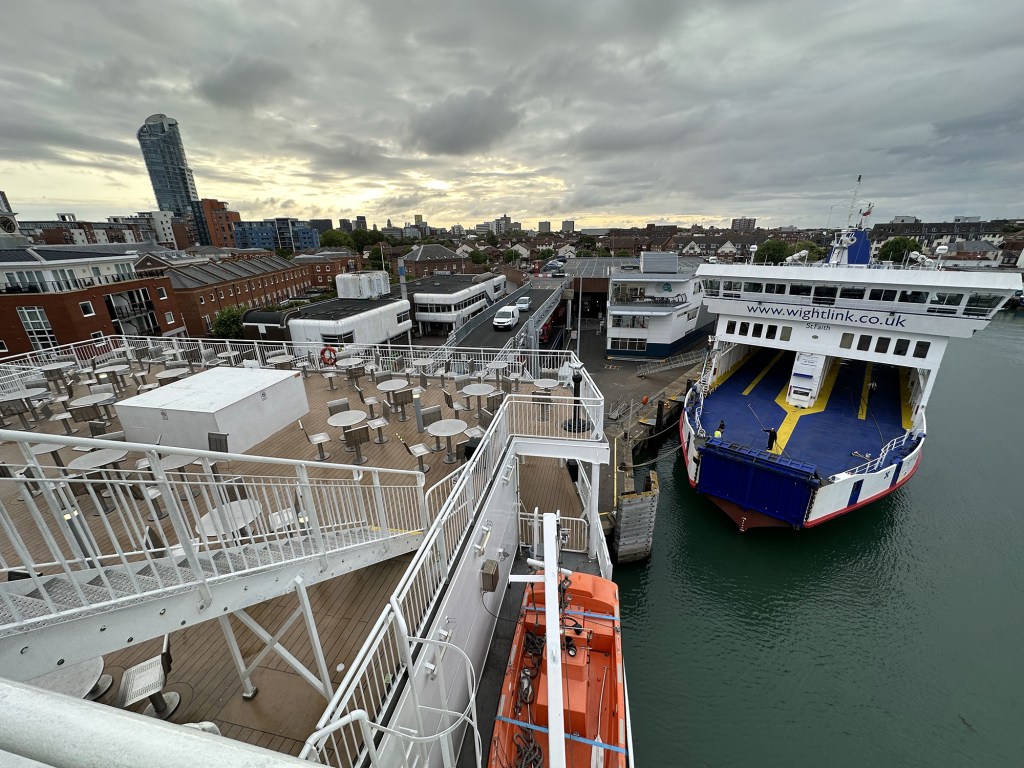
After an unpleasantly early 3AM departure, we arrived on time at the Wightlink ferry terminal in Portsmouth for 7AM. Pretty swiftly we were ushered onto the Victoria of Wight and after a short power-nap we disembarked in Fishbourne.
The Man in the Moon – Newport
Click here to read our full review of The Man in the Moon.
It was too early for us to pitch our tent at the campsite, so we set off for The Man in the Moon, the first Wetherspoon of our journey. In almost no time we were sat down, tucking into a well-earned full English, and enjoying our first Wetherspoon pub off the mainland!

The Man in the Moon is an impressive pub, set in a beautiful 19th century church with a more contemporary extension set off to the side.

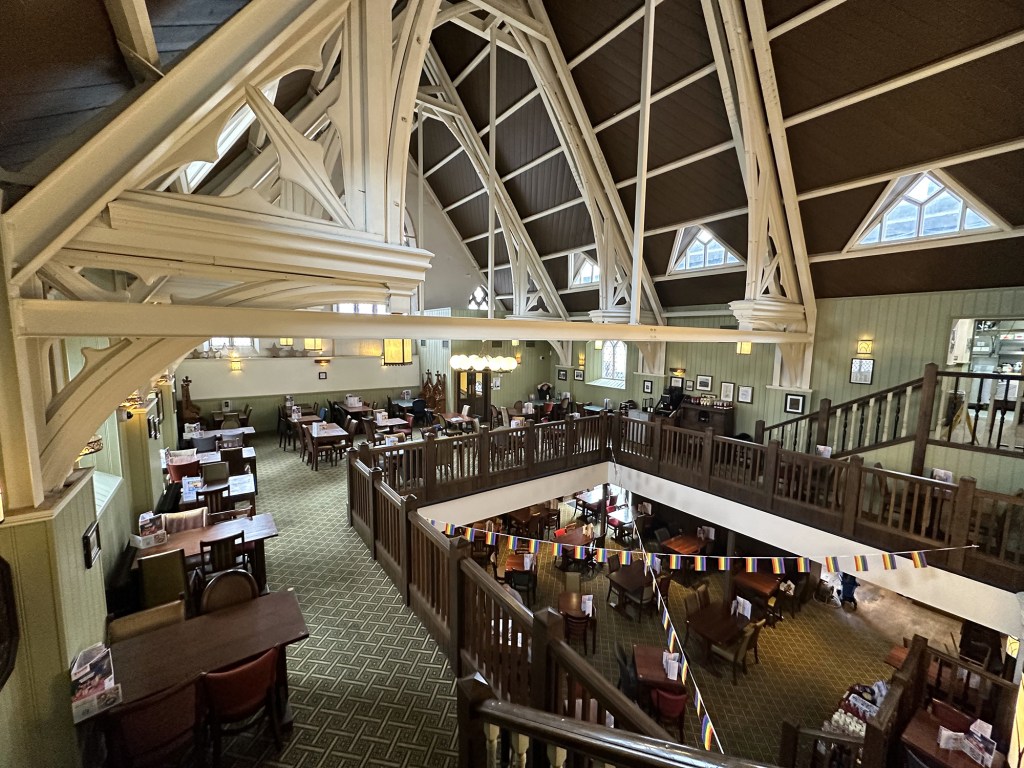
Inside the chapel has retained many of its original features, with the wraparound mezzanine bathed in light from the triangular skylights above. The original 1840s hammerbeams holding up the tall roof have since been reinforced, but still give the pub an open, spacious feel.
Pub rating: 4.17/5
Carisbrooke Castle
Carisbrooke Castle on the English Heritage website.
One of the great things about our Wetherspoon adventure is the opportunity to visit new places, and see more of the country, which is something that pairs perfectly with an English Heritage membership. The Isle of Wight is home to five English Heritage sites, so we set out to visit them over our four-day stay. The first was Carisbrooke Castle, located just on the outskirts of modern-day Newport.
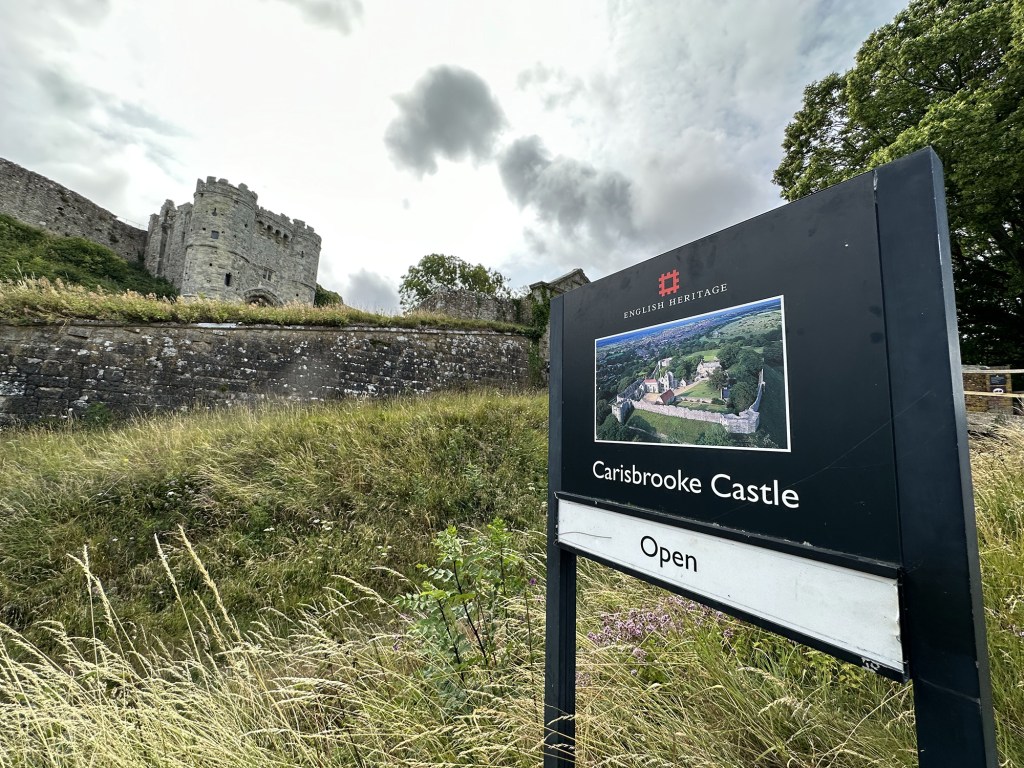
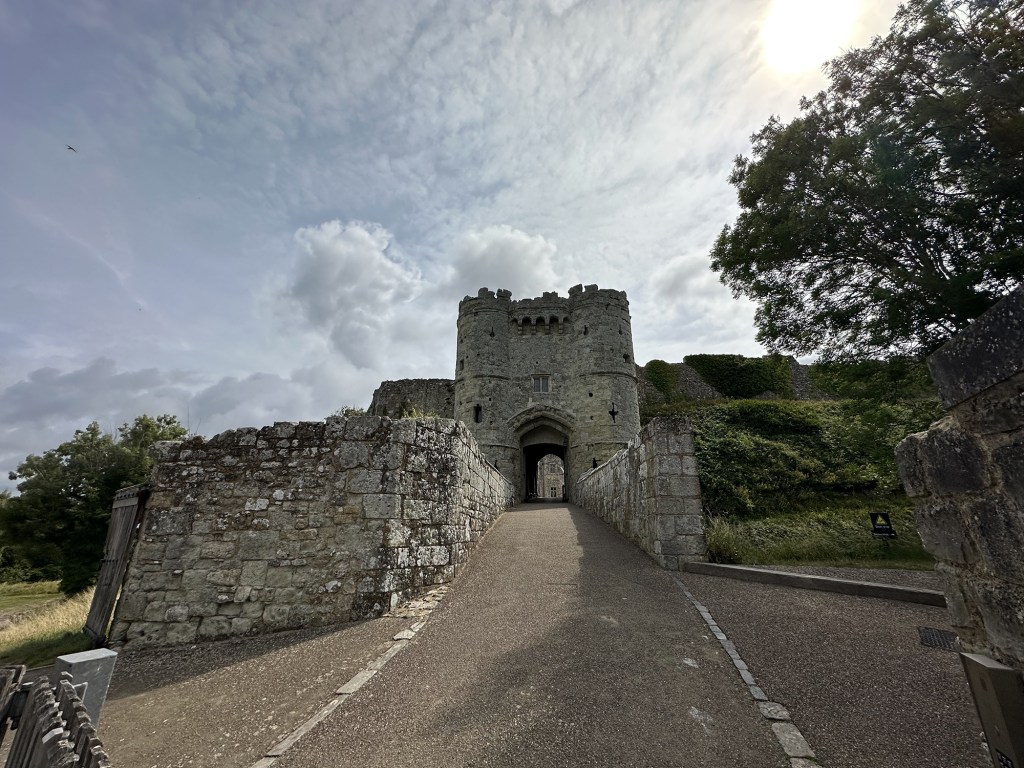
Carisbrooke Castle famously held Charles I for fourteen months before his execution in 1649, and much of the material offers an insight into these years of the castle’s history.
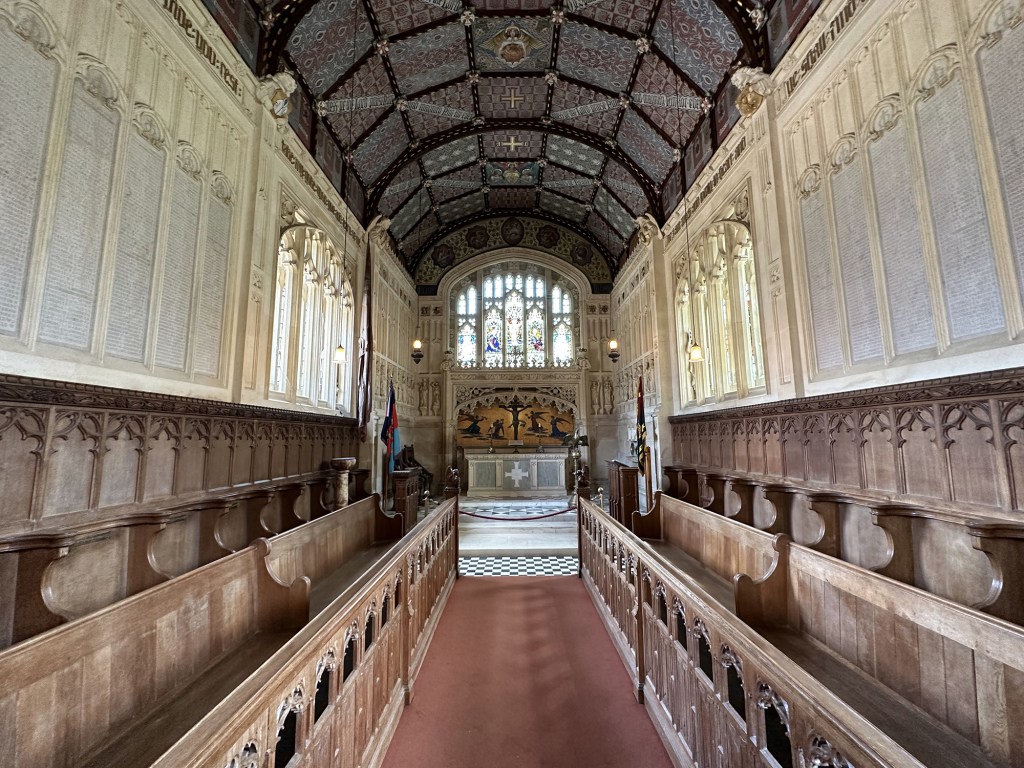
The chapel as it currently stands was built and consecrated in 1904, although there is evidence of a chapel standing on this site as early as 1086, when it was referenced in the Domesday Book. The present-day chapel was designed in honour of the 250th anniversary of Charles I’s execution, and would go on to stand as the Isle of Wight’s war memorial following WWI, with thousands of names inscribed on the walls by the windows.
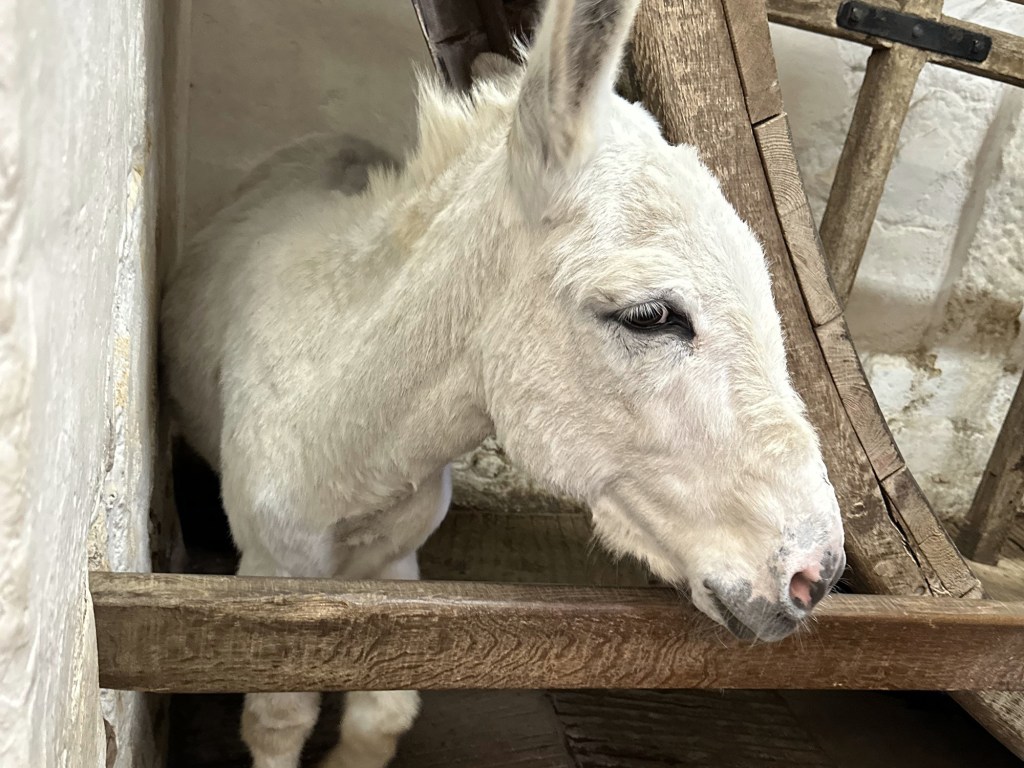

As we would come to learn on our trip, the island has a long-standing relationship with donkeys, and Carisbrooke Castle is no exception. The 161ft-deep well was powered by a fleet of donkeys who would work shifts to provide the castle with water; today the donkeys come out only a few times a day to demonstrate a handful of rotations of the donkey wheel (for which they are handsomely rewarded with treats!)
14th July
Osborne
Osborne on the English Heritage website.
We started our day with a journey out to the coastal town of Cowes, and perhaps the island’s most well-known heritage site, Osborne House.
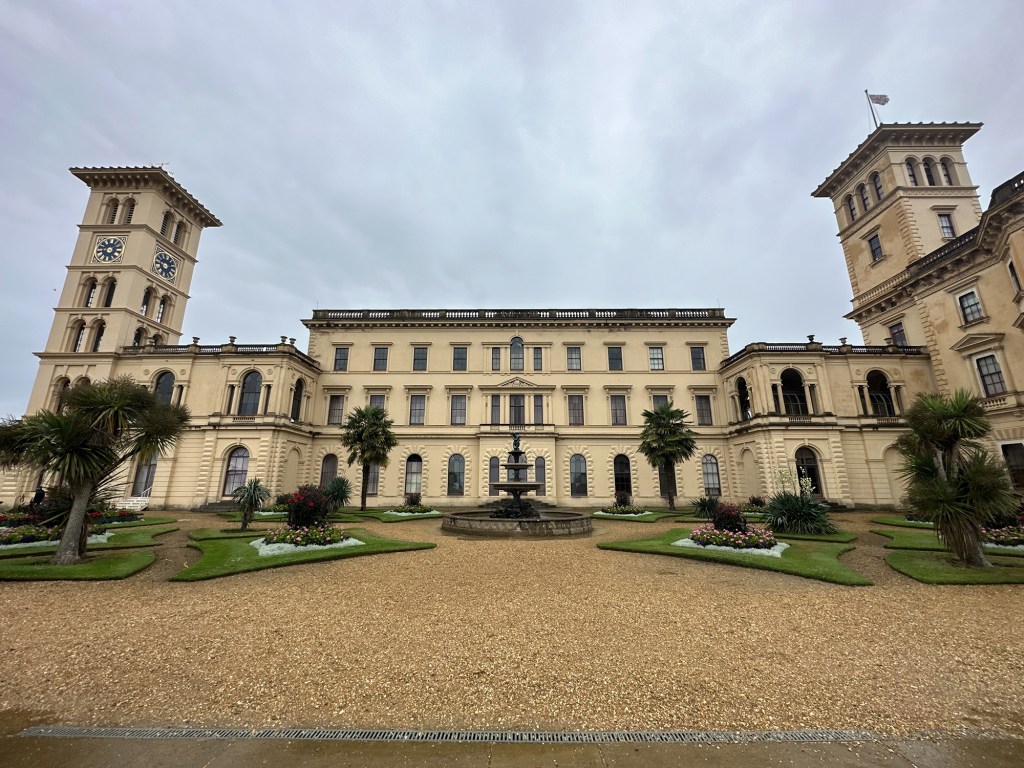
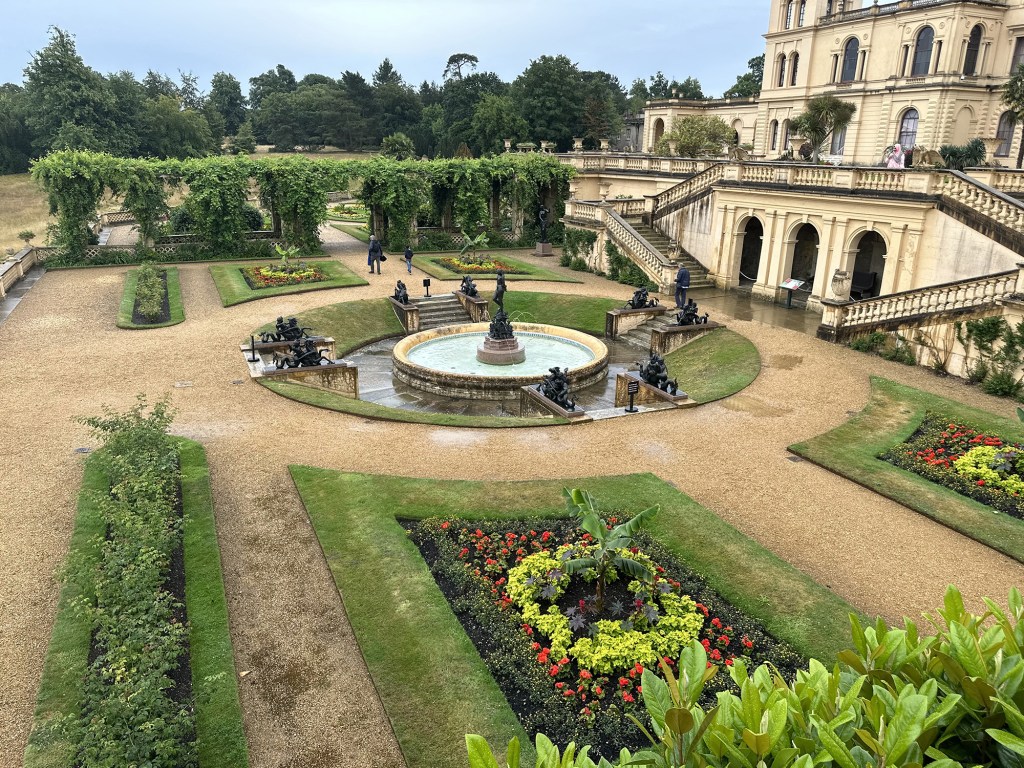
Osborne was completed in 1851, having been designed by Prince Albert for himself and Queen Victoria. It it is an incredible Renaissance-style house (though ‘house’ is perhaps under-selling what is probably better described as a palace), which the royal couple loved and would use for half a century.
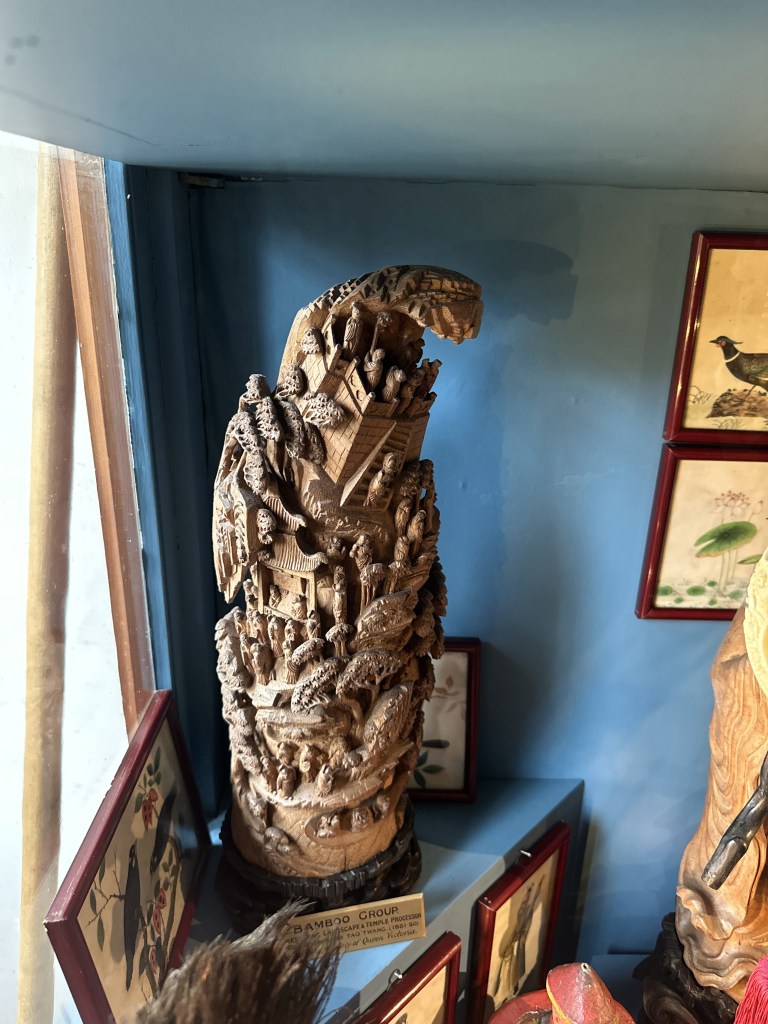
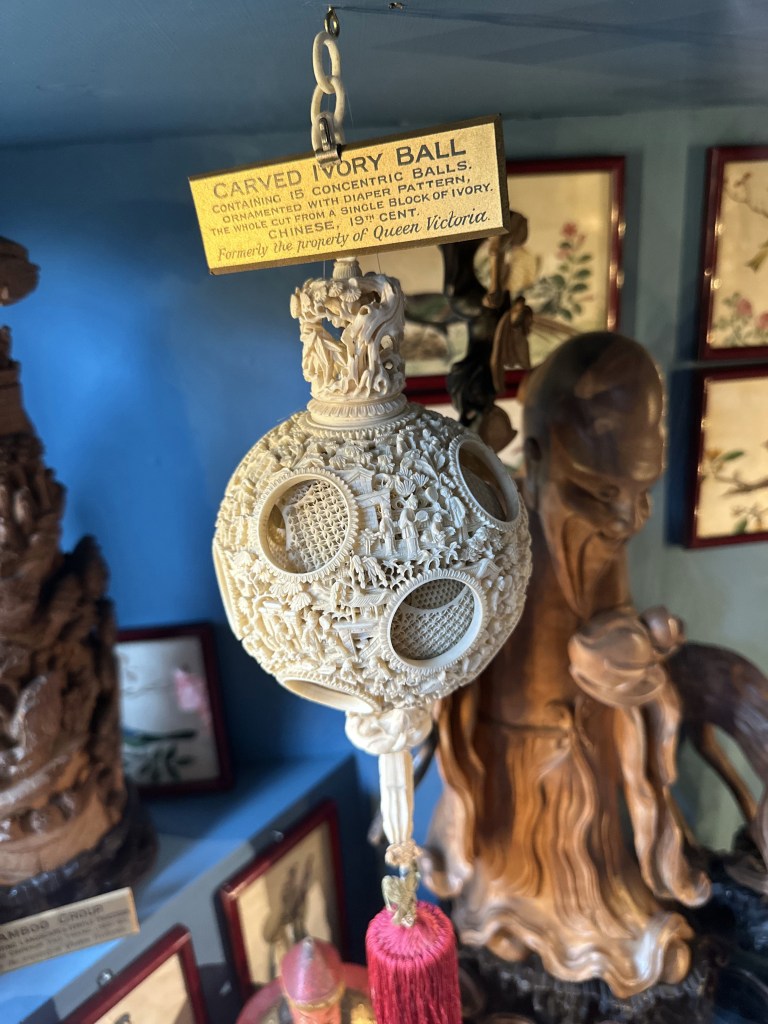
Now an English Heritage site, the house is open to the public and exhibits an impressive variety of gifts presented to Victoria and other royals, as well as allowing access to some of the incredible rooms of the house.
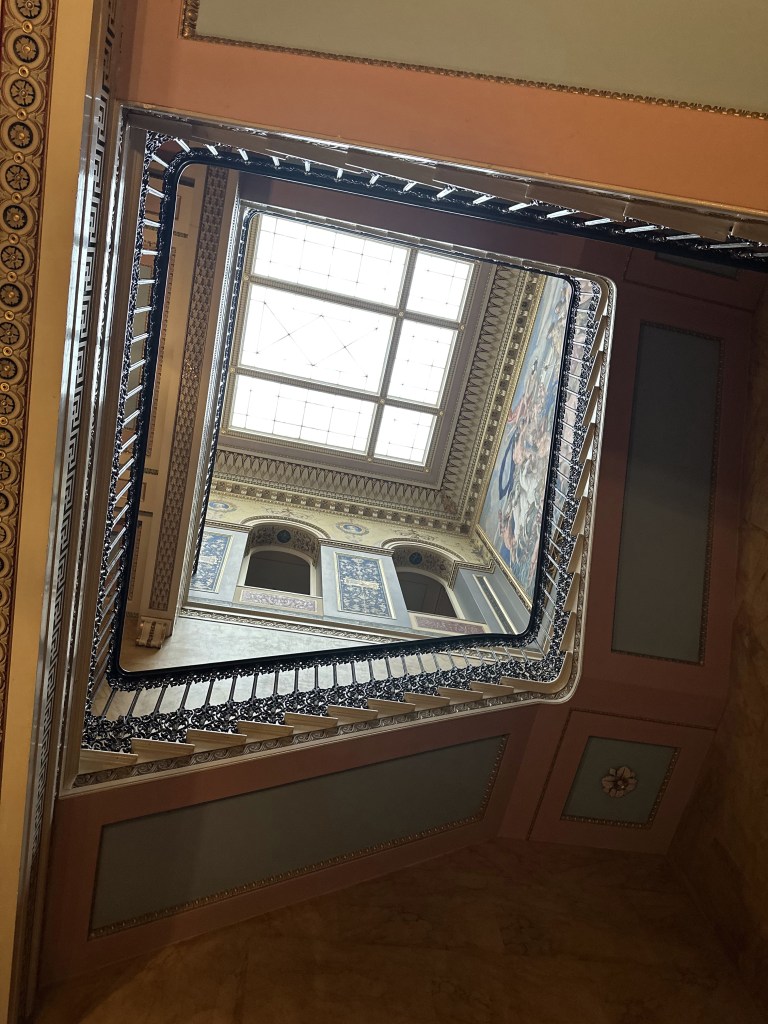
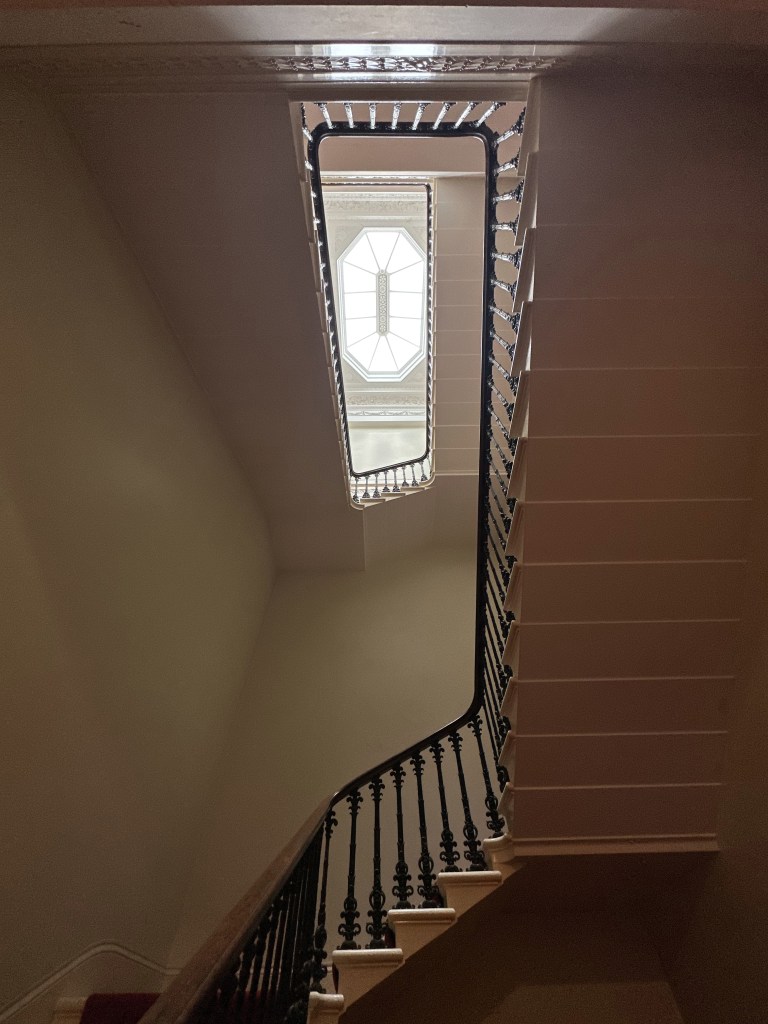
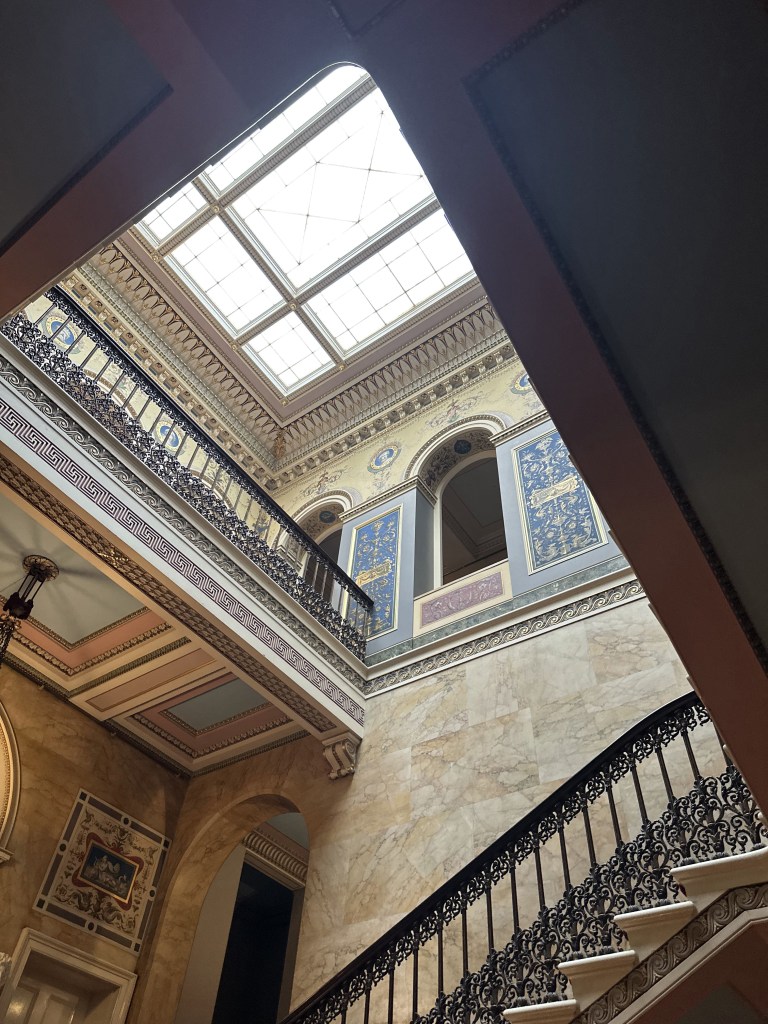
If you happen to be a fan of intricate and impressive staircases, this is the place to be!
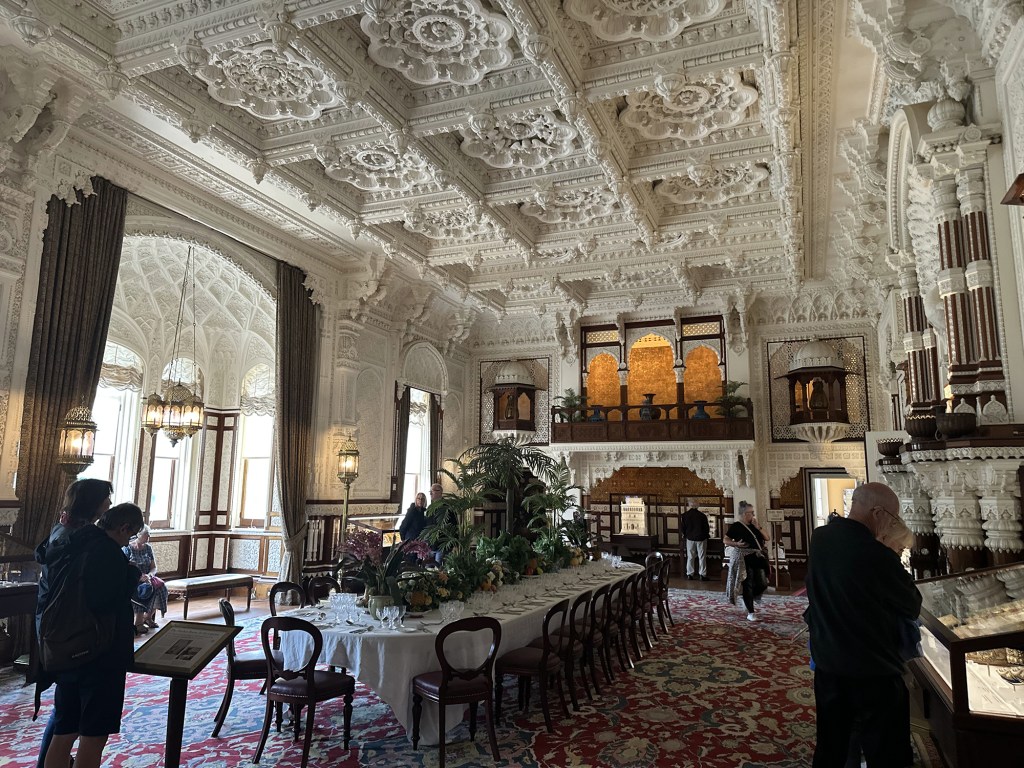
The dining hall, with its preposterously intricate plaster ceiling, is set up as though hosting an upper class dinner of the period.
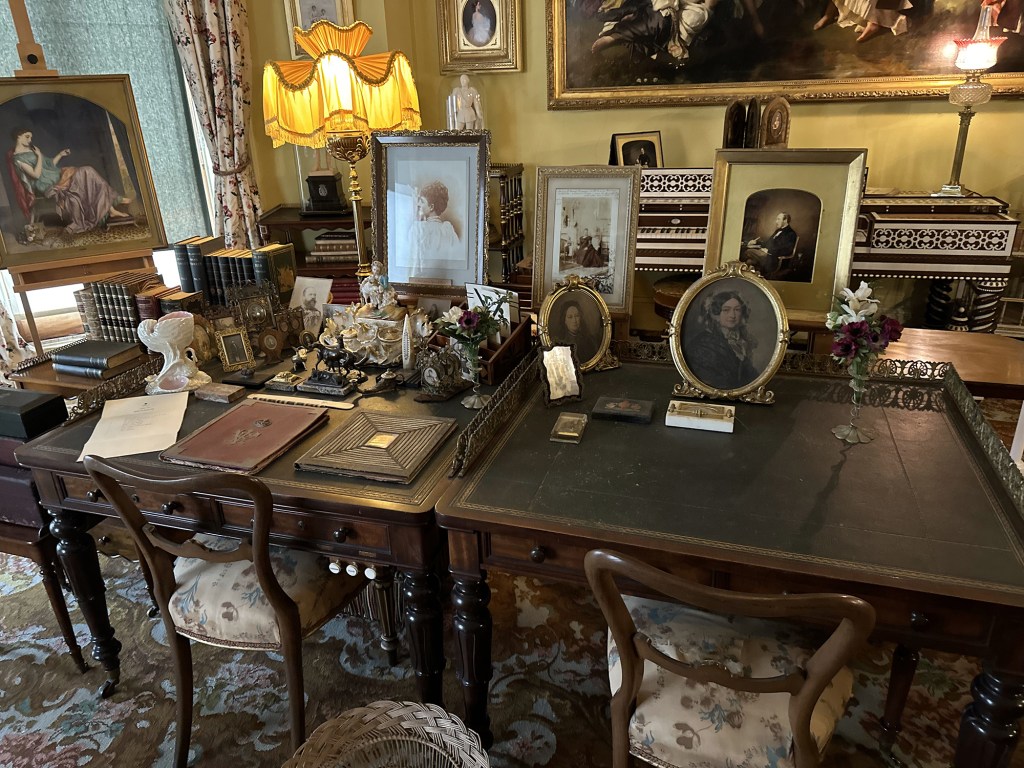
Queen Victoria and Prince Albert’s desks can be viewed in the office; his desk is cleared as it would have been during the decades Victoria visited Osborne following his death in 1861.
S Fowler & Co – Ryde
Click here to read our review of S Fowler & Co.
After a few hours of walking at Osborne, it seemed like a hearty meal and a refreshing drink had been well-earned, so we headed off to Ryde, to visit the island’s only other Wetherspoon. S Fowler & Co. was once a department store, owned by Samuel Fowler and trading on Union Street for over a century. It was heavily damaged in a 1991 fire, before being bought by JD Wetherspoon and opened in 1999.
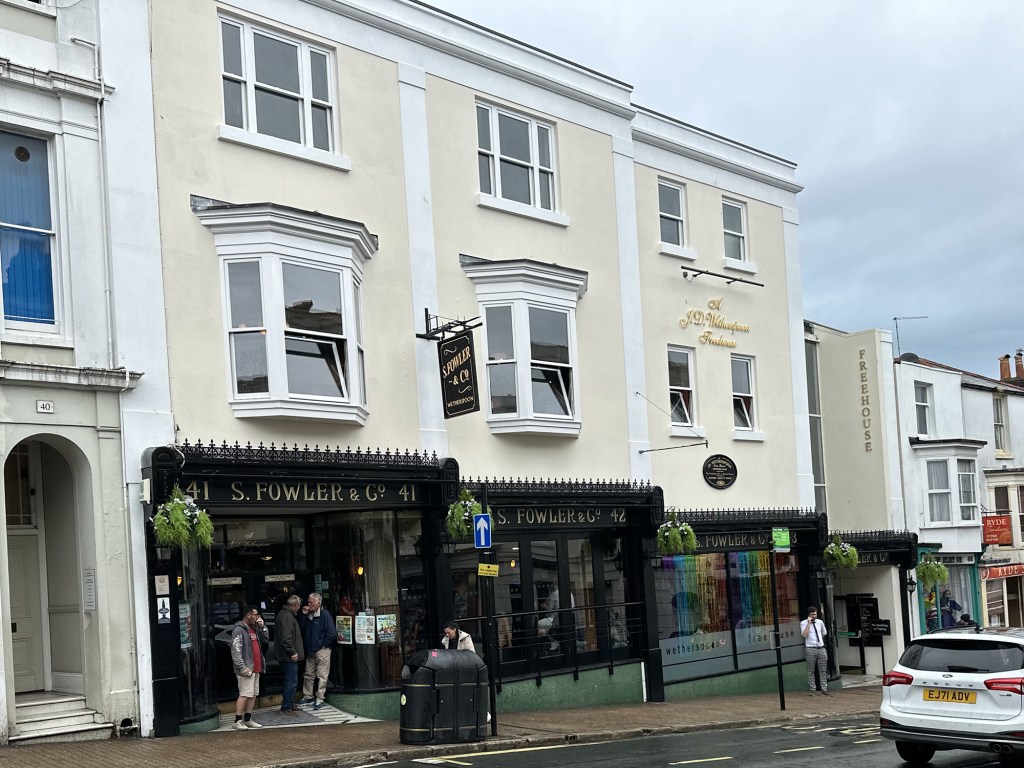
From the outside, the pub retains the historic charm of the department store it replaced. The three units it occupies seem to descend down Union Street, and the dark frontage of the pub contrasts the otherwise coastal off-white building.
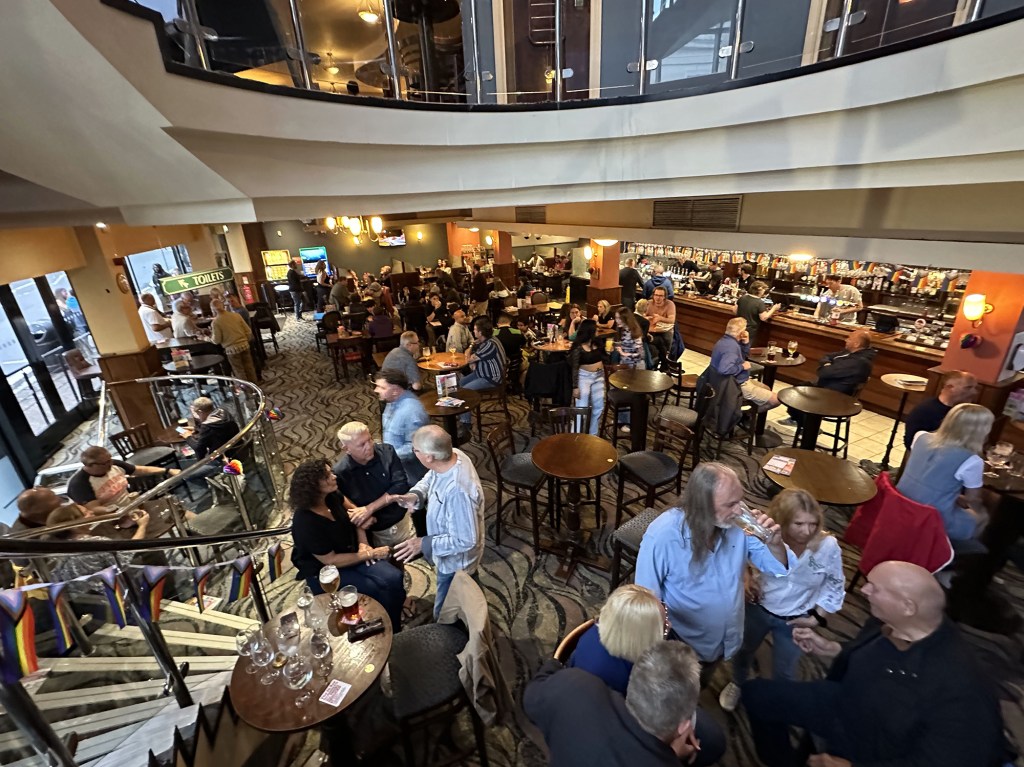
The pub is spread over two floors; the downstairs is large and open, with the bar set off to the rear but still enjoying plenty of natural light from the glass frontage. The upstairs is slightly cosier, with booths and a fireplace, accessed via a pleasant spiral staircase.
Pub rating: 3.00/5
15th July
The Needles
The Needles are a row of chalk stacks off the western coast of the island, and one of the Isle of Wight’s most well-known tourist attractions. We parked up at the nearby Tennyson Down car park, and after a quick stop at the Tennyson Monument, we began a preposterously windy walk down the headland towards the coast.
It turns out none of the stacks are actually very needle-like, however we learned there was once a fourth chalk stack, much narrower and more needle-shaped. Unsurprisingly, given this location is home to the highest recorded wind gust in England (122mph!), that needle didn’t survive, although the name did.
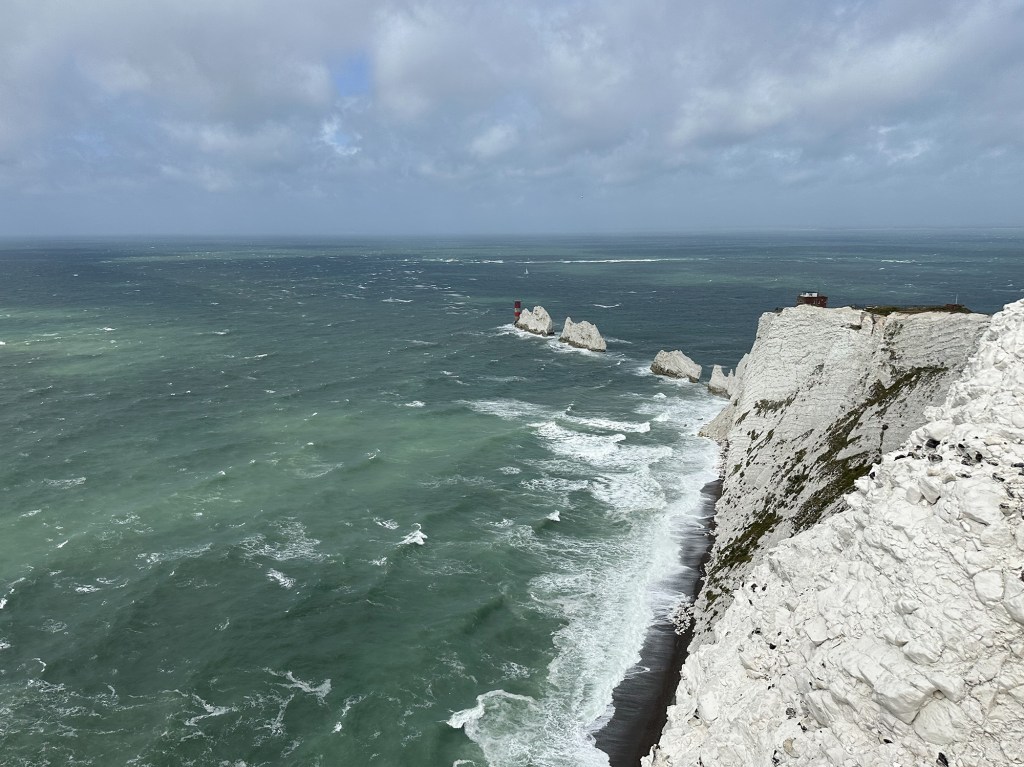
Given the location of The Needles, and the temptation for enemy ships to attack England via the Solent, this was the perfect location for a military installation. In the 1860s an artillery battery was built into the cliff, housing six guns which were soon upgraded from 7-inch guns to 9-inch guns. When the battery was abandoned in 1903, the guns were thrown into the sea, two of them eventually being hauled up and restored by the National Trust. Unfortunately the Old Battery was closed on our visit, so we didn’t get to see the guns or explore the tunnels.
Firing 100kg projectiles led to concerns that the battery was causing the cliffs to crumble and subside, so in 1985 the New Battery was built at the top of the cliff. The six 9-inch guns of the Old Battery were replaced by three much more powerful 9.2-inch guns. Both batteries were manned during the World Wars, but shortly after WWII the sites were decommissioned.
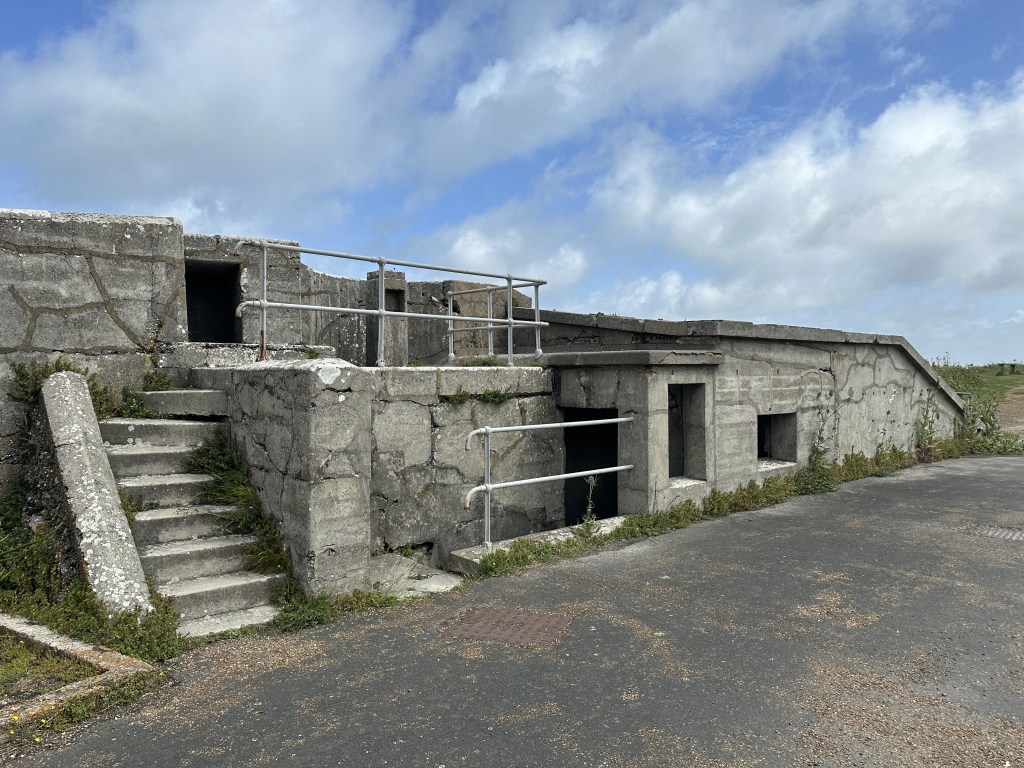
As the Cold War heated up in the 1950s, the New Battery was reborn as a secret rocket engine testing site. The site test-fired engines for the Blue Streak and Black Knight rockets, two rocket research projects undertaken mostly side-by-side to give the UK a respectable nuclear deterrent. After these projects were discontinued, the British government turned its focus to researching satellite delivery systems, and the site test-fired engines for the Black Arrow rockets instead.
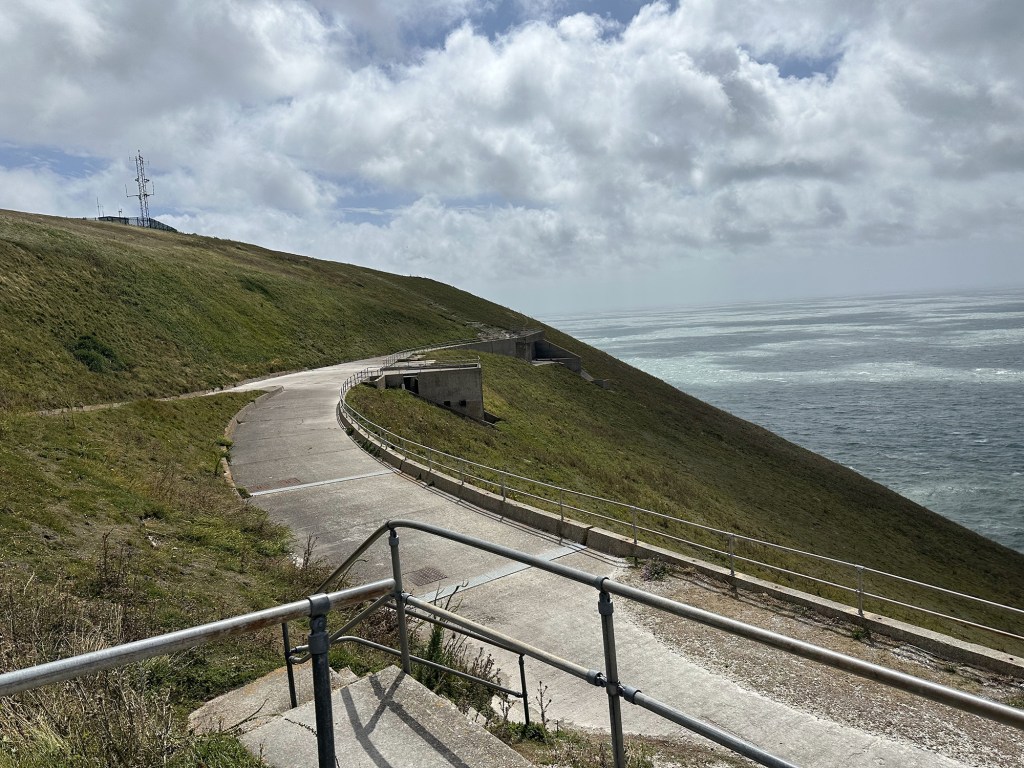
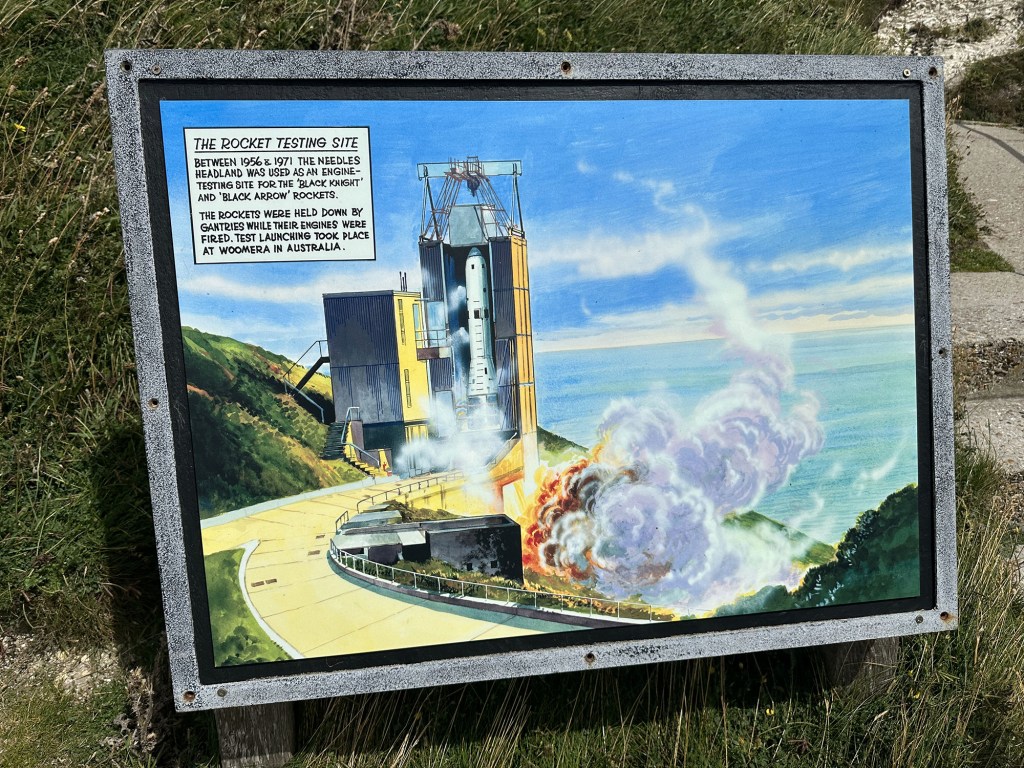
Though the Black Arrow project was a success, it was cancelled in 1971 and much of the facility at The Needles was subsequently dismantled; the roadway and a few concrete bunkers are all that remains to remind the world of the Isle of Wight’s small but important role in the cold war science race.
Yarmouth Castle
Yarmouth Castle on the English Heritage website
We travelled to Yarmouth next, a wonderful little port town. Here, tucked down a picturesque alleyway is Yarmouth Castle, a fort dating back to the rule of Henry VIII. Inside you get a feel for how the fort would have been used in the 16th century, as well as a detailed history of its purpose and how it expanded over the following centuries.
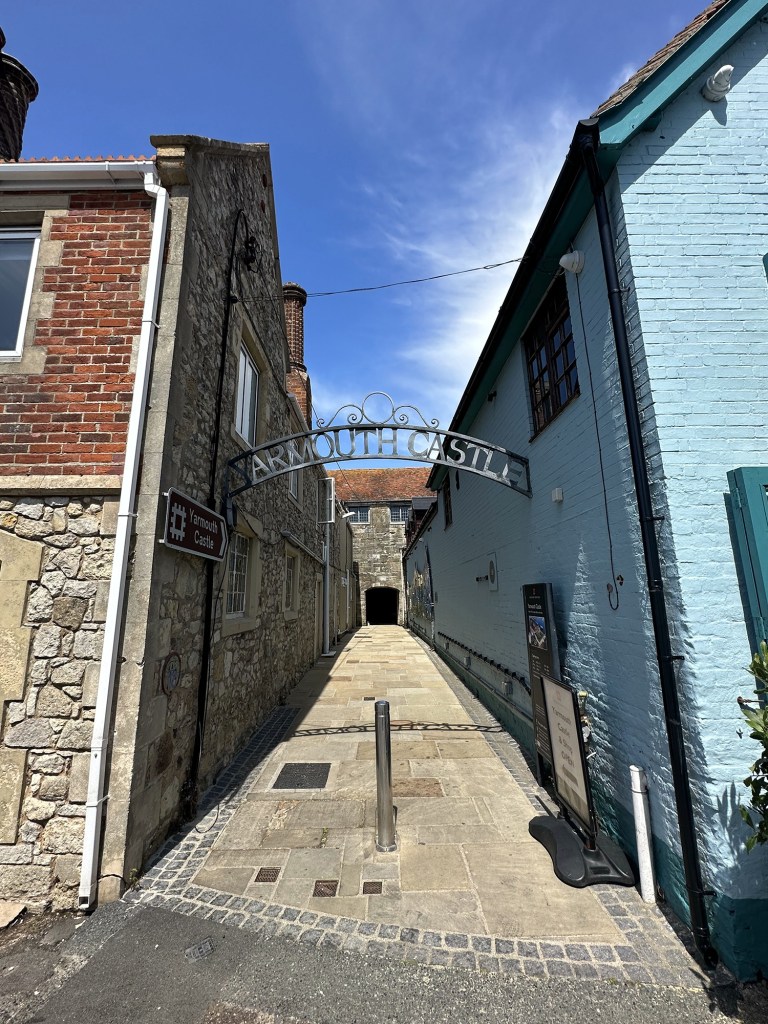
Due to the tensions with France and the Roman Empire, Henry VIII was the first royal to really worry about Britain’s coastal defences, and set out to erect forts all around the vulnerable coasts of the mainland. The Isle of Wight was, of course, crucial in defending the Solent and England’s south coast from attacking forces, and Yarmouth presented itself as an obvious location for some of his forward-thinking forts.
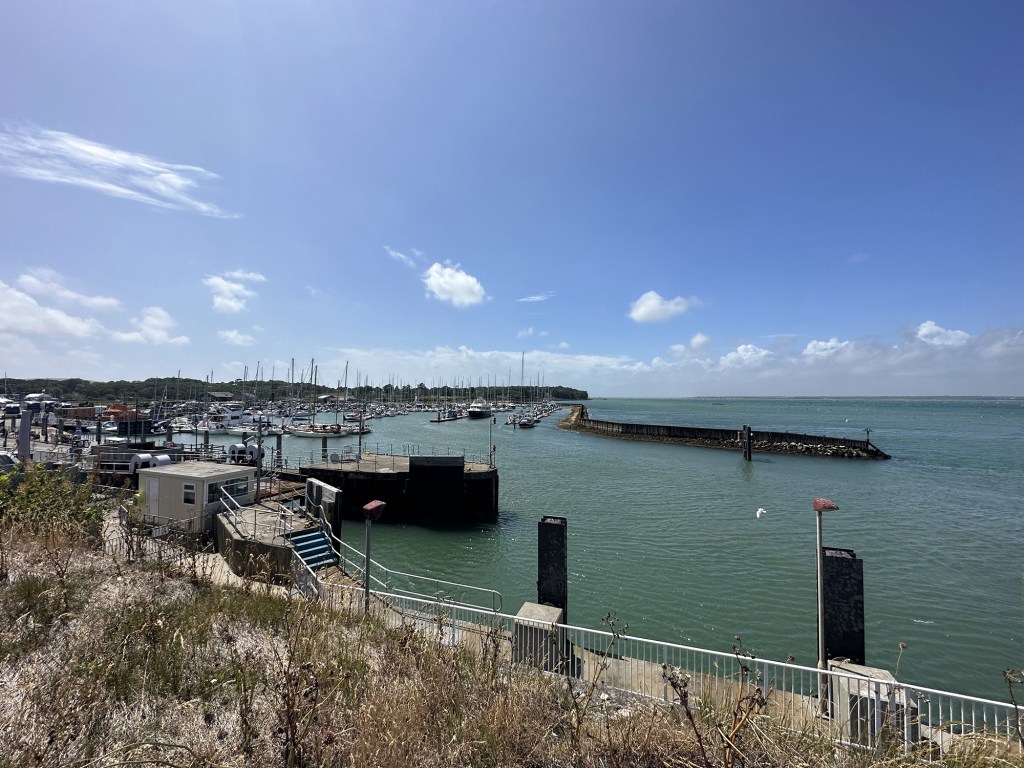
Yarmouth is, and always has been, a very small town, and the exhibitions inside give a brilliant insight into the rich history of the area. The rampart gives an incredible and exclusive view over Yarmouth marina and out across the Solent towards Lymington.
16th July
Isle of Wight Bus & Coach Museum
Isle of Wight Bus & Coach Museum website
On our final day, requiring only a small amount of persuasion, we visited the Isle of Wight Bus & Coach Museum in Ryde. Based in the old Southern Vectis depot, the museum is run entirely by volunteers and is host to around 20 historic vehicles, dating back to the early 20th century.
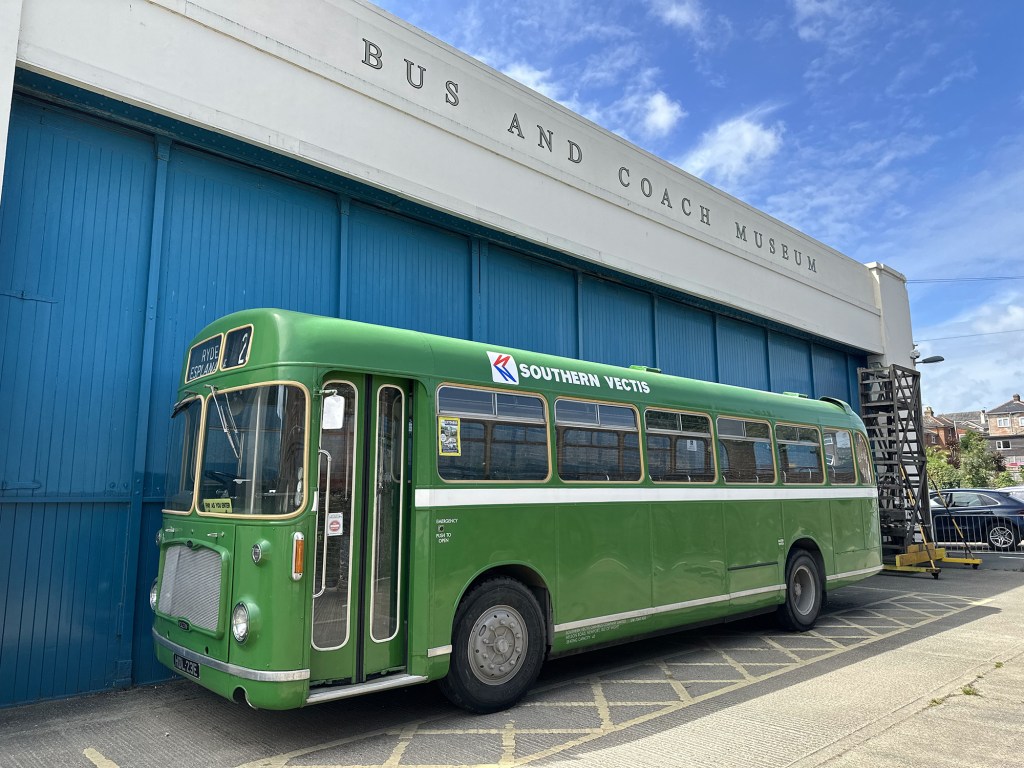
If you have even the slightest interest in historic vehicles, you’ll enjoy a good couple of hours here. And if it’s something that you’re really interested in, the passionate volunteers are filled with knowledge that they’re more than happy to share!
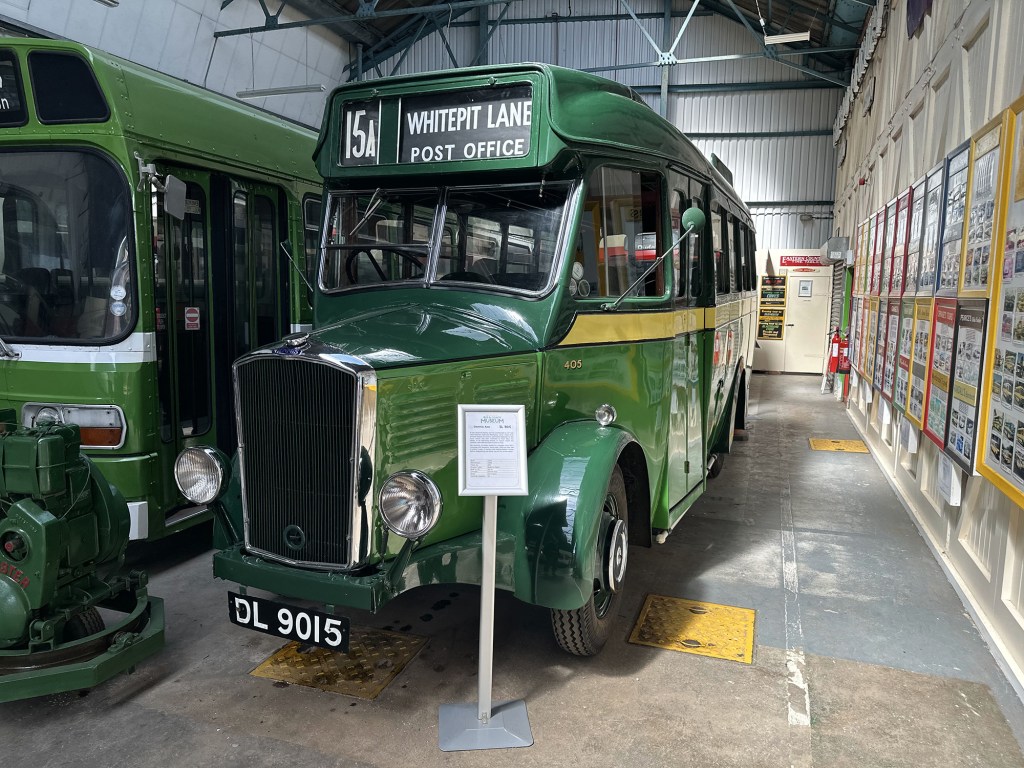
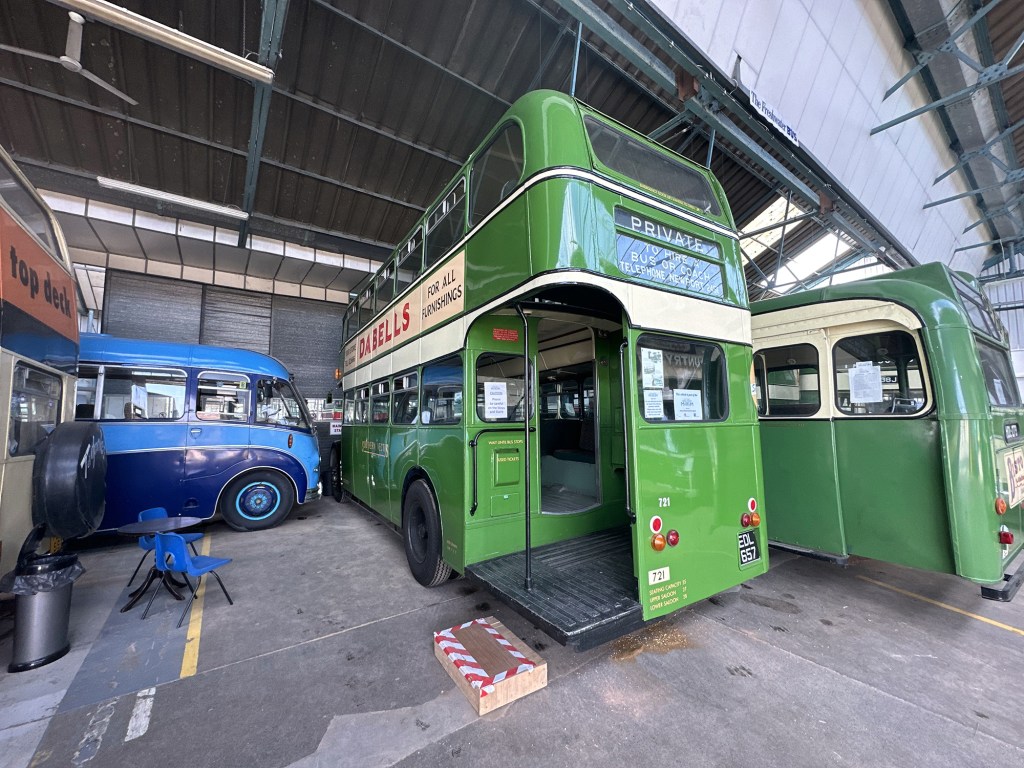
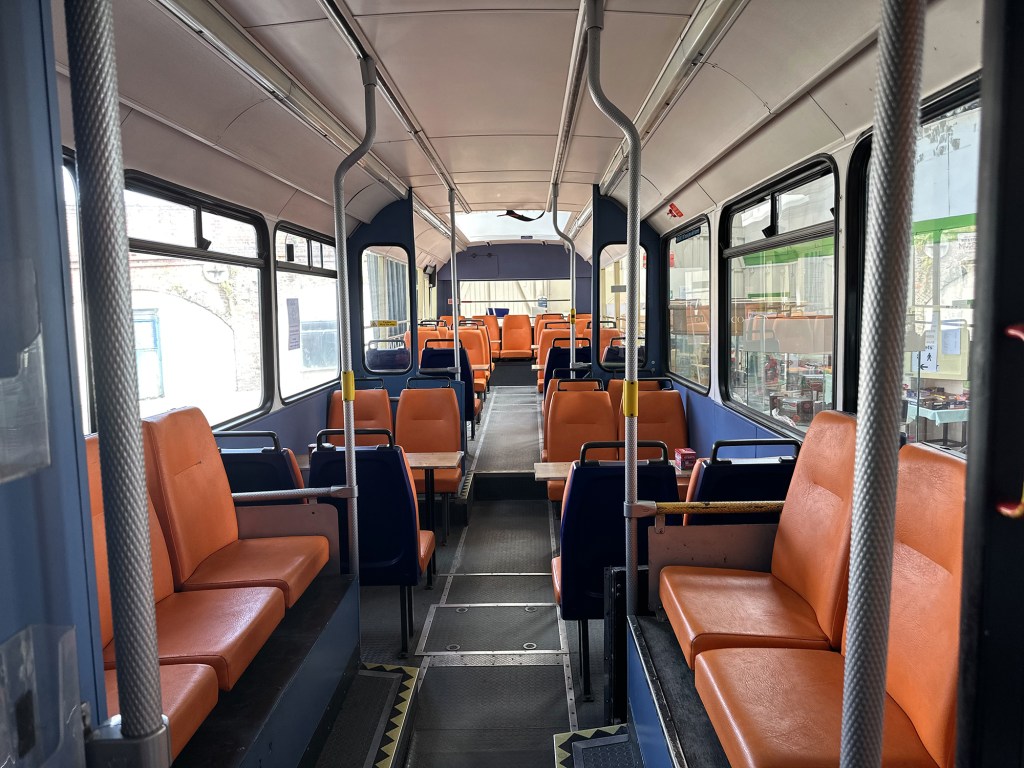
Admission to the museum is completely free, and there’s a wonderful little café at the rear where you can grab a cup of tea or coffee and enjoy it inside of a bus! There’s also a huge range of bus- and coach-related memorabilia for sale.

Appuldercombe House
Appuldercombe House on the English Heritage website.
Our final English Heritage site of the week was to Appuldercombe House, in the South East of the island. The house stands today as a shell, its impressive exterior all that has survived the three centuries since it was built.
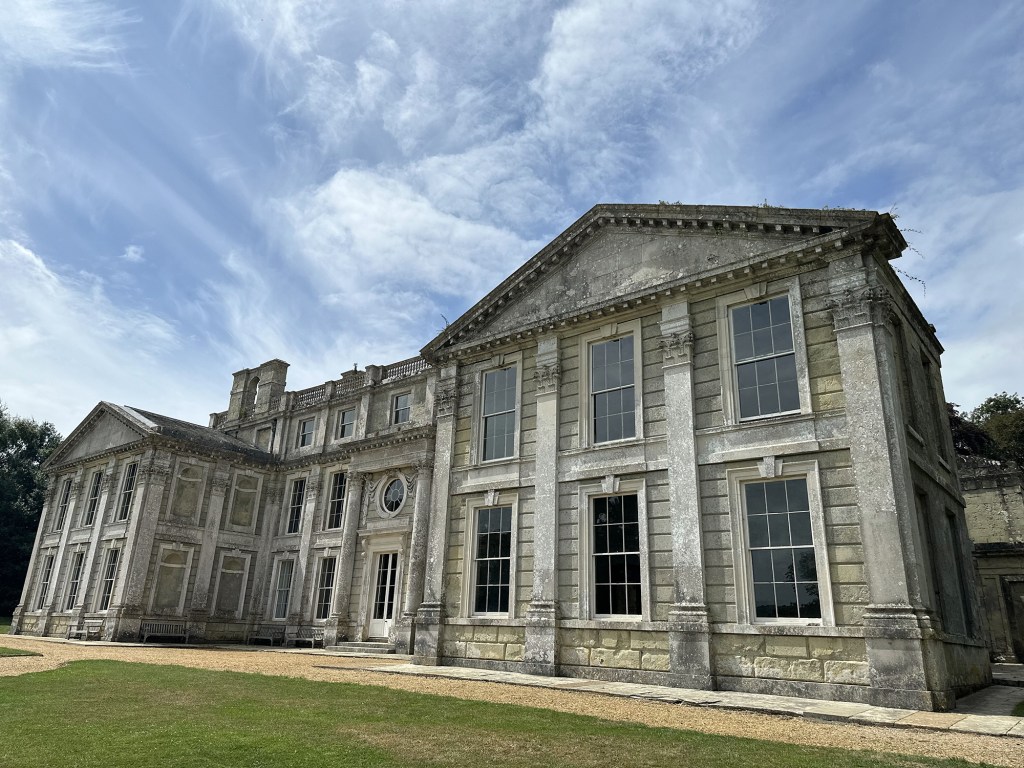
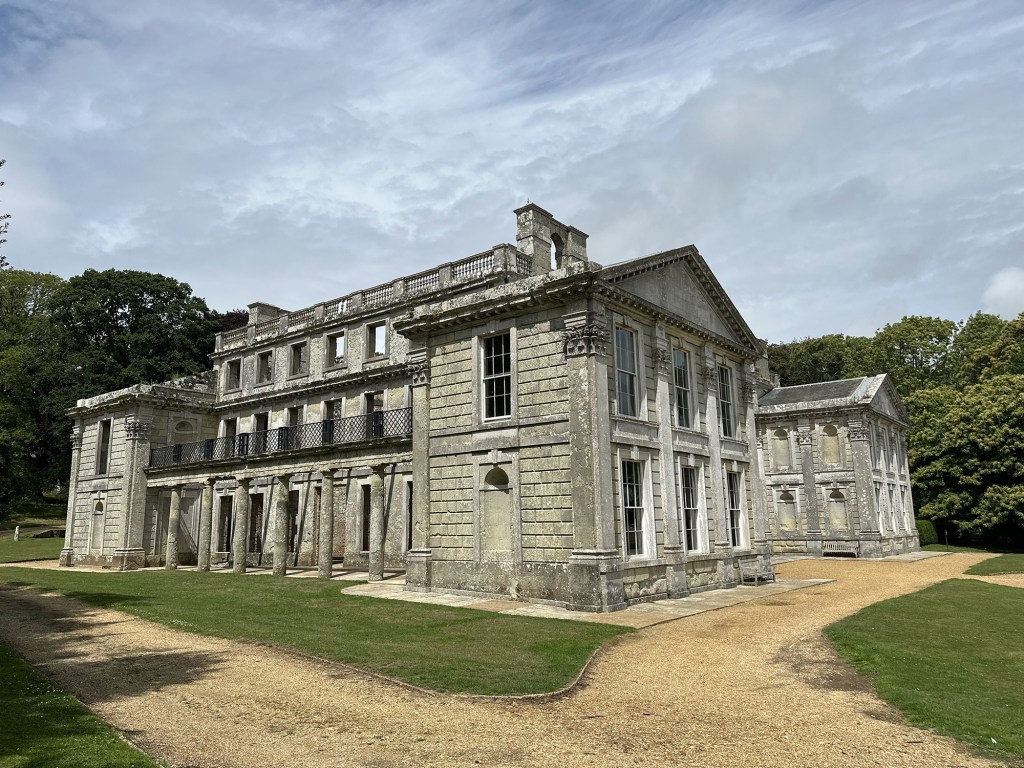
The huge English Baroque house was home to Richard Worsley, an aristocrat who would ultimately become known for the rather embarrassing circumstances in which his marriage fell apart. This is what much of the information at the site refers to, telling the story of how he neglected his wife, Lady Worsley, and then went on to sue one of her lovers, quite unsuccessfully.


Appuldercombe House is, apparently, one of the most haunted places on the entire island, although we noticed nothing untoward on our visit.
Isle of Wight Donkey Sanctuary
Isle of Wight Donkey Sanctuary website
Our Isle of Wight journey came full circle, having seen the donkeys of Carisbrooke Castle on our first day, to now visiting the place where these hard-working donkeys retire to live out their days in luxury.
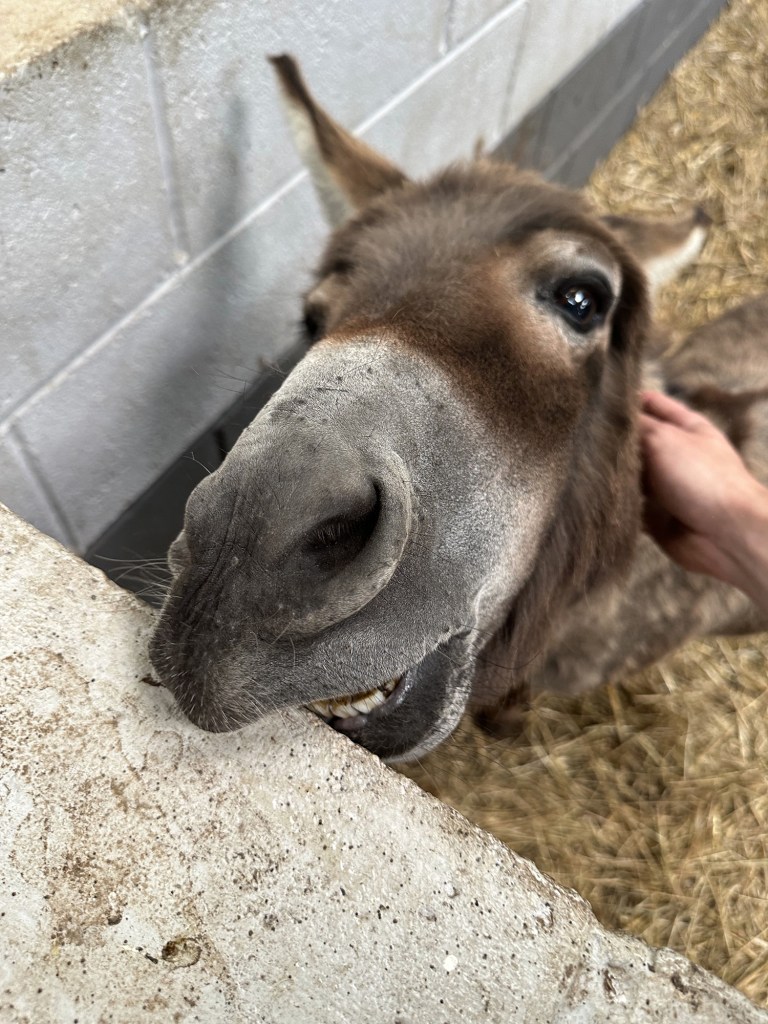
The Isle of Wight Donkey Sanctuary became a charity in 1991, but it struggled to stay afloat over the next couple of decades. A brilliant fundraising appeal bought the charity a fresh start in 2012, and since then their team of volunteers have worked tirelessly to look after over 120 donkeys.

Some of the donkeys housed here require special care. We met this charming chap, Nick, who was blind and relied on the volunteers and the other donkeys to help him out.
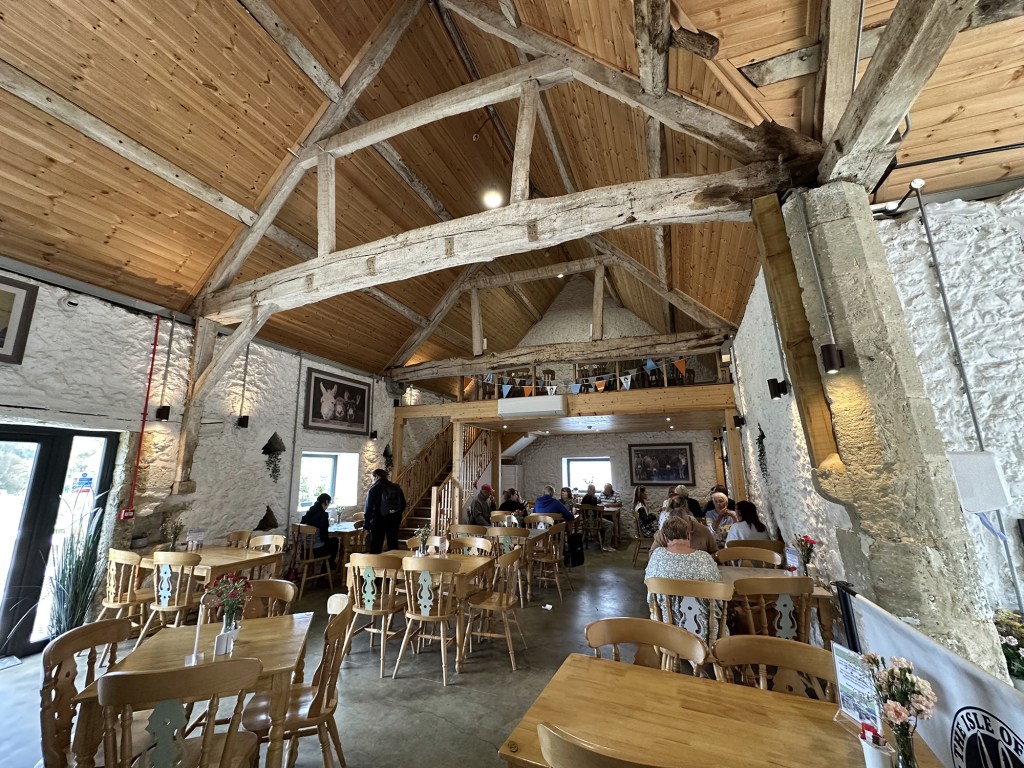
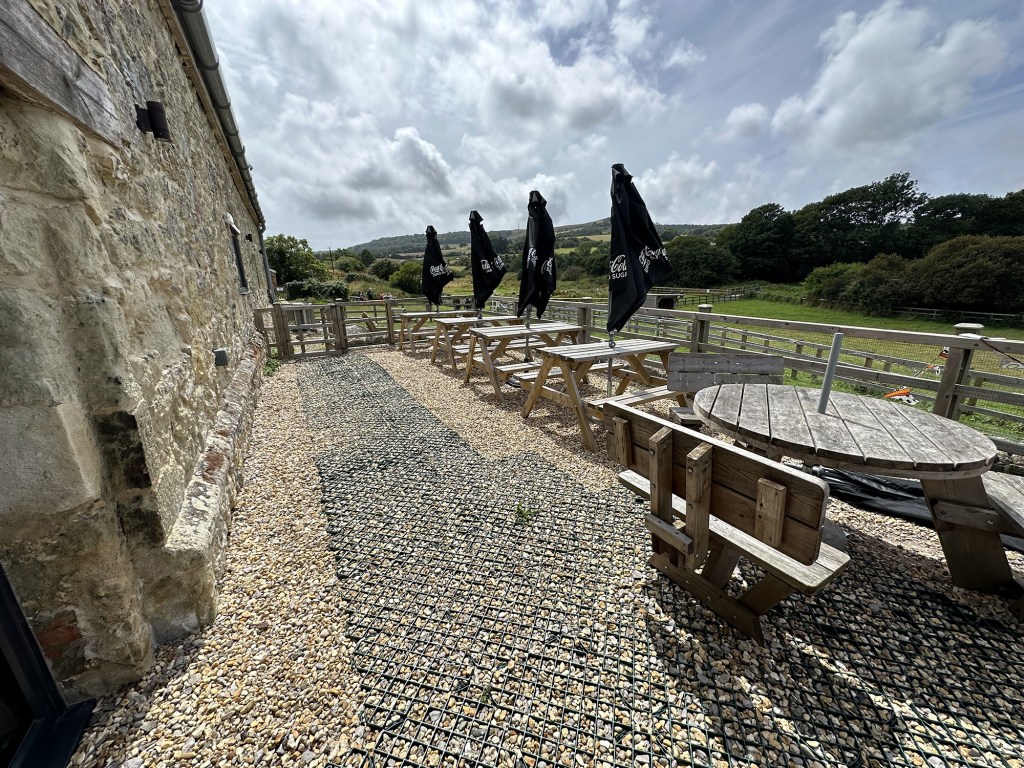
It was a fairly quiet (and incredibly windy) day when we visited, but the wonderful little café was still bustling. It has a lovely outside seating area that looks out over the paddocks and the countryside, so it’s definitely worth popping in for a tea or coffee!
Quarr Abbey
The last destination on our tour of the island was Quarr Abbey, a Benedictine monastery with history dating back to the 12th century.
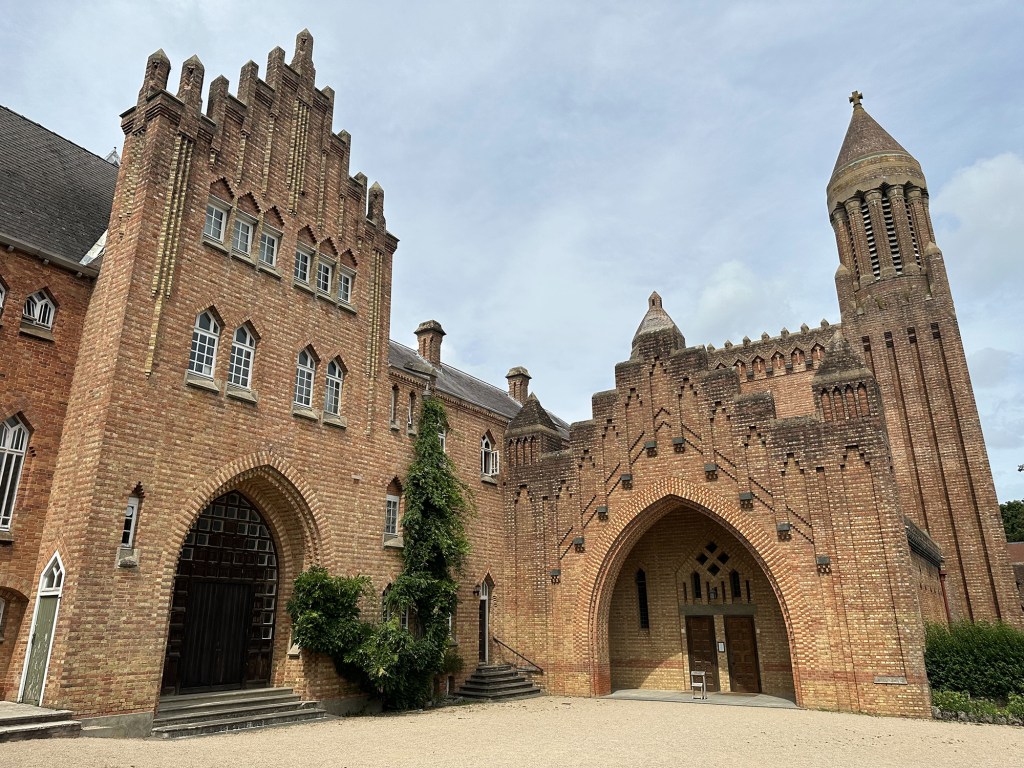
The original abbey was mostly destroyed in the 16th century, following Henry VIII’s dissolution. Construction started in 1907 on the abbey as it stands today, when a community of Benedictine monks were exiled from Solesmes in France and settled in nearby Appuldercombe House. By 1912 the architecturally magnificent abbey was completed, and the monks began life here.

Today, less than a dozen monks live, work and worship at the Abbey. As with most Benedictine communities, guests are welcome to stay at the Abbey as a retreat. Even Phil Collins has stayed here!
Should you visit the Isle of Wight?
Of course you should!
The Isle of Wight is an incredible place, and whilst our four-day trip may seem quite long for such a small island, in reality we were only really able to squeeze in a lot of the more popular destinations on our visit. There’s so much more to do, and every little town and village is full of own character and history. There were a few other museums and locations, as well as some independent pubs, that we paid a short visit to but didn’t get any pictures. The island is brimming with history and intrigue, as well as beautiful beaches and countryside walks.
Given how easily accessible it is by ferry, we’ll definitely be paying a return visit at some point in the future when we’re on the south coast!
Average Isle of Wight Wetherspoon rating: 3.59/5
 Wetho Wanderers